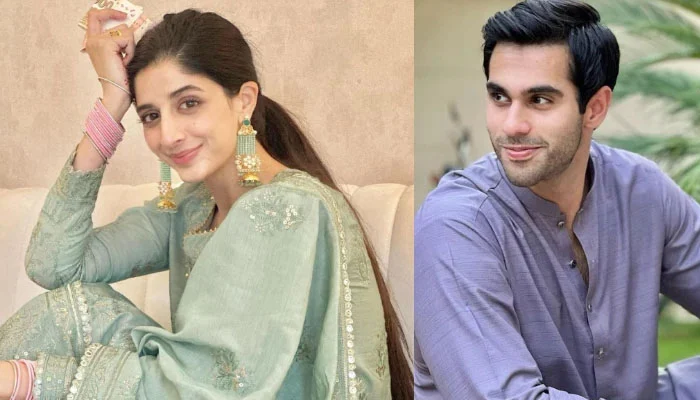
Actor Mawra Hocane recently went on the discussion show Gup Shup with Fuchsia, where she discussed what she considers to be a good relationship. Throughout the chat, she emphasized emotional independence and the value of personal completeness, emphasizing that love should complement, not replace, an individual.
Hocane, who has received accolades for her emotionally charged performances in popular dramas like as Aangan and Sabaat, discussed the issue from both her professional and personal perspectives. Hocane, who married fellow actress Ameer Gillani earlier this year, opened out about her thoughts on love, marriage, and self-fulfillment.
“I felt complete as a person even before I met Ameer,” she told me. “There are so many other elements that complete me. Love and support are crucial, but they are only the icing on top. “I want to be the entire cake myself.” Her comparison struck a chord with viewers, emphasizing the importance of personal development, interests, job goals, and self-awareness in creating a sense of completeness.
Hocane explained why she feels this perspective is essential for relationships, especially when unreasonable expectations begin to collect. “You can’t place the burden on someone else to complete you,” she said. “It’s unfair, and it can make the other person miserable too, trying to constantly fulfill your expectations.”
She emphasized that when people start relationships believing that their spouse is responsible for their happiness or sense of self, it can cause tension, anger, and disappointment for both parties.
In addition to talking about emotional independence, Hocane reflected on her job path and how it affected her perception of relationships. Playing complicated characters on television has given her the opportunity to explore issues of love, loyalty, and personal growth, bringing insight into how people negotiate expectations and emotions in real life.
She stated that acting has taught her the value of setting boundaries and creating a strong personal identity before committing to another person.
Her statements also sent a larger cultural message, particularly in a country where marriage is frequently seen as the defining event in a woman’s life.
Hocane’s remarks serve as a reminder that a partnership may coexist with, rather than replace, a feeling of identity. She urged viewers to pursue their own hobbies, objectives, and personal well-being, arguing that doing so not only benefits the individual but also enhances the partnership.